Aluminum foil is widely used in food preparation, baking, catering, takeaway, foodservice, and retail packaging. For importers, wholesalers, and food packaging distributors, however, choosing an aluminum foil product is not simply a matter of selecting a thickness. The right solution depends on the application, foil size, product format, packing method, and target market.
The main aluminum foil products used in food packaging include aluminum foil rolls, pre-cut foil sheets, pop-up foil sheets, and aluminum foil containers. Each format is designed for different handling and packaging requirements. Understanding these differences can help buyers select a suitable product and avoid unnecessary costs.
Aluminum foil can be used at different stages of food preparation, packaging, storage, and transportation. The most suitable foil format depends largely on how the product will be used.
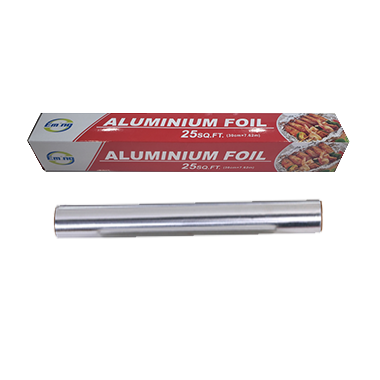
Aluminum foil rolls are commonly used for wrapping and covering food during preparation and storage. The continuous roll format allows users to cut the required length according to the size of the food or container.
For retail and foodservice buyers, important specifications include:
Foil thickness
Roll width
Roll length
Packaging format
Pieces or rolls per carton
Private label requirements
Different applications may require different foil thicknesses. Lighter foil can be suitable for everyday food wrapping, while thicker foil is often preferred when greater strength and resistance to tearing are required.
Aluminum foil is also widely used in bakeries, restaurants, catering operations, and commercial kitchens for baking, roasting, and grilling.
In these applications, buyers often pay greater attention to foil thickness and sheet or roll dimensions. The product needs to be convenient for handling while providing sufficient strength for the intended food preparation process.
Depending on the operation, buyers can choose between continuous rolls, pre-cut sheets, and other dispensing formats.
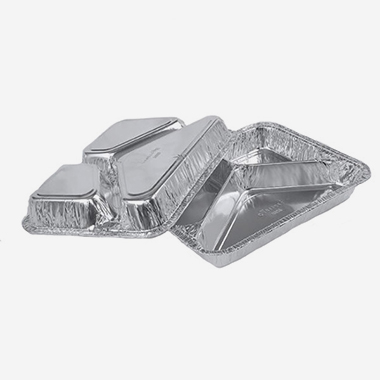
Foodservice businesses require packaging that can be handled quickly and efficiently. Aluminum foil containers are commonly used for prepared meals, takeaway food, catering, bakery products, and other foodservice applications.
Compared with wrapping foil, containers provide a ready-made packaging shape and can be supplied with different sizes, capacities, and lid options.
For distributors, the choice of container usually depends on the food type, portion size, packing method, and requirements of their local market.
Aluminum foil products are also supplied through food packaging distributors, supermarket suppliers, catering suppliers, and wholesale channels.
For these buyers, the product itself is only one part of the purchasing decision. Retail packaging, carton configuration, branding, MOQ, product consistency, and supply capability can also affect the suitability of a supplier.
This is why B2B buyers should evaluate both product specifications and the overall supply solution.
Different food packaging applications require different product formats. The four common options are aluminum foil rolls, pre-cut foil sheets, pop-up foil sheets, and aluminum foil containers.
Aluminum foil rolls provide a flexible solution when users need to cut foil according to the size of the food or packaging.
They are commonly used in:
Household food preparation
Restaurants
Bakeries
Catering
Commercial kitchens
Retail food wrapping
When purchasing aluminum foil rolls, buyers should consider more than the roll's thickness. Width and length determine how the foil fits the intended application, while the packaging configuration affects retail presentation and transportation.
For private-label products, buyers may also require customized printed boxes, paper packaging, or outer cartons.
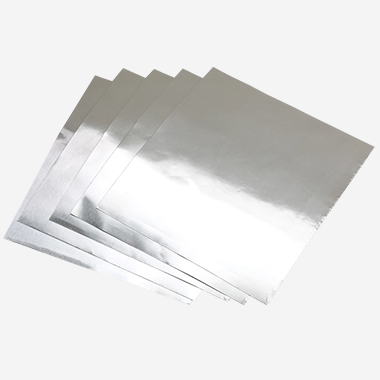
Pre-cut foil sheets are designed for buyers who want ready-to-use pieces instead of cutting foil from a continuous roll.
They can be useful for restaurants, catering companies, bakeries, foodservice suppliers, and other high-volume food preparation operations.
Common purchasing specifications include:
Sheet length
Sheet width
Foil thickness
Number of sheets per box
Number of boxes per carton
Customized sheet dimensions
For example, buyers may request specific formats such as 30 × 40 cm or 45 × 60 cm depending on their food preparation and wrapping requirements. Custom sheet sizes can also be developed for specific applications.
The main advantage of pre-cut foil is convenience. Each sheet is ready to use, providing consistent dimensions and reducing the time required to measure and cut foil during food preparation.
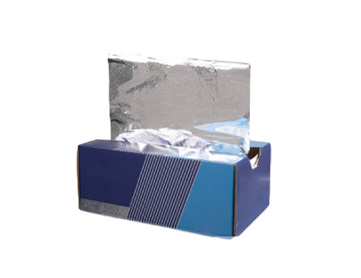
Pop-up foil sheets are another option for professional foodservice applications.
The individual sheets can be dispensed quickly, making them practical for restaurants, catering operations, and commercial kitchens where food needs to be wrapped repeatedly throughout the day.
For buyers, the key specifications include sheet dimensions, foil thickness, sheet quantity, dispensing design, and packaging configuration.
Pop-up packaging can also provide a more convenient solution for distributors serving professional foodservice customers who prioritize speed and ease of use.
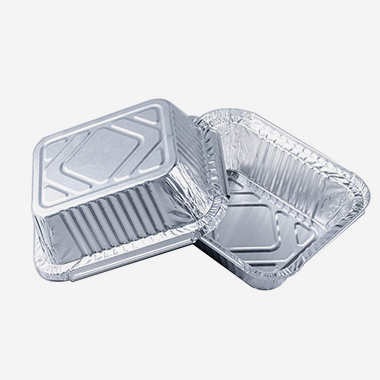
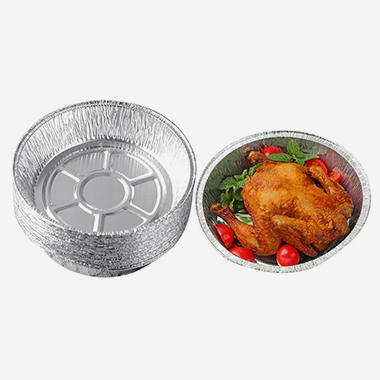
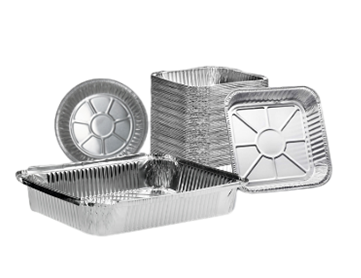
Aluminum foil containers are designed for food packaging applications where the food needs to be placed directly into a formed container.
Typical applications include:
Takeaway meals
Catering
Bakery products
Prepared foods
Foodservice
Retail food packaging
When selecting a foil container, buyers normally need to consider dimensions, capacity, shape, rim design, lid compatibility, packing quantity, and application.
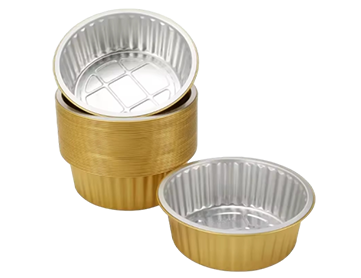
For distributors, container customization can also include different sizes, shapes, colors, packaging designs, and private-label options.
Choosing the right format starts with understanding how the product will actually be used.
| Application | Suitable Product | Key Buying Factors |
|---|---|---|
| Household food wrapping | Aluminum foil roll | Thickness, width, length, retail packing |
| Baking and roasting | Foil roll or foil sheets | Thickness, sheet/roll size, handling |
| Restaurant food preparation | Foil sheets or pop-up sheets | Sheet size, thickness, dispensing, packing |
| Catering | Foil sheets or containers | Size, quantity, handling, packing |
| Takeaway meals | Aluminum foil containers | Size, capacity, lid, strength |
| Retail food packaging | Foil rolls or containers | Packaging, branding, MOQ |
| Commercial kitchens | Foil rolls, sheets, or pop-up sheets | Thickness, size, convenience, bulk packing |
There is no single aluminum foil format that is suitable for every application. A distributor supplying household retailers may need a different product configuration from a foodservice supplier supplying restaurants and catering companies.
Thickness is one of the most important specifications when purchasing aluminum foil.
Common food packaging requirements can range from lighter household foil to heavier-duty foil for applications where greater strength is needed. Eming supplies aluminum foil products in thicknesses commonly ranging from 9 to 25 microns, depending on the product and application.
Rather than simply choosing the thickest foil available, buyers should consider the balance between strength, usability, product performance, and target cost.
For a distributor, the best specification is usually the one that matches the actual application and expectations of the local market.
Size is equally important.
For aluminum foil rolls, buyers normally specify:
Width
Roll length
Core specifications
Packaging dimensions
For pre-cut sheets, the main dimensions are:
Sheet width
Sheet length
Number of sheets per box
For containers, buyers may specify:
Length
Width
Depth
Capacity
Shape
Lid requirements
If a standard size does not match the buyer's market, customized dimensions may be considered.
Packing configuration can have a significant impact on B2B purchasing.
For example, pre-cut foil sheets may be packed as 50, 100, or 200 sheets per box depending on the buyer's requirements. Rolls and containers can also be supplied in different carton quantities.
The right packing configuration depends on whether the product is intended for retail sales, foodservice distribution, or bulk commercial use.
Buyers should consider not only the unit price but also the relationship between packing quantity, carton size, storage, transportation, and the final sales channel.
Many importers and distributors require aluminum foil products to be supplied under their own brand.
Depending on the product, customization may include:
Printed retail boxes
Customized paper packaging
Printed outer cartons
Logo printing
Customized product dimensions
Customized container molds
Product packing configuration
For aluminum foil containers, for example, a buyer may choose to add a logo to the bottom of the container using a customized mold. Customized packaging can also be used to create a consistent brand appearance without changing the basic product specification.
The appropriate product can vary depending on the type of customer a distributor serves.
Retail distributors generally need products that are easy for consumers to understand, store, and use.
Important considerations may include:
Roll length
Roll width
Foil thickness
Retail box design
Private labeling
Carton packing
A retail-focused product may therefore require a different packing configuration from a bulk foodservice product, even when the underlying foil material is similar.
Foodservice suppliers often prioritize convenience and efficient handling.
Pre-cut foil sheets and pop-up foil sheets can be useful when kitchen staff need to wrap food quickly and repeatedly. Sheet dimensions and dispensing format can therefore become important purchasing factors.
Bulk packing can also be considered when products are supplied directly to restaurants, catering companies, or commercial kitchens.
Catering and restaurant customers may require a combination of foil rolls, sheets, and containers.
For example, rolls can be used for flexible food wrapping, pre-cut sheets can improve preparation efficiency, and containers can be used for takeaway or prepared meals.
A distributor serving these customers may therefore benefit from selecting a product range rather than relying on a single foil format.
Importers and wholesalers normally need to consider the entire supply chain.
In addition to product specifications, they may evaluate:
MOQ
Carton packing
Container loading
Lead time
OEM capability
Product consistency
Packaging customization
Long-term supply capacity
Working directly with a manufacturer can be useful when the buyer needs customized dimensions, private-label packaging, or multiple related aluminum foil products.
For B2B buyers, a manufacturer's value is not limited to producing aluminum foil.
A capable manufacturer can help buyers develop specifications based on the intended application, customize product sizes, arrange private-label packaging, and coordinate production and packing requirements.
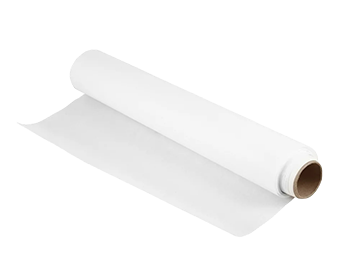
At Eming Aluminium Industry, we supply aluminum foil rolls, aluminum foil containers, baking paper, pre-cut foil sheets, and pop-up foil sheets for international B2B customers.
We can also support customized foil sheet sizes and private-label packaging according to customer requirements.
For buyers who are developing a new product line, the ability to discuss product specifications directly with the manufacturer can make it easier to match the product with the target market.
Common applications include food wrapping, baking, roasting, catering, takeaway, food preparation, foodservice, and retail food packaging. The appropriate product format depends on the specific application.
Foil rolls provide flexibility because users can cut the required length themselves. Pre-cut sheets provide consistent dimensions and are convenient for restaurants, catering operations, bakeries, and other high-volume food preparation applications.
The suitable thickness depends on the application and required strength. Foodservice buyers should consider how the foil will be handled, wrapped, transported, or used during food preparation rather than selecting thickness based only on a standard number.
Yes. Aluminum foil sheets can be produced in customized dimensions according to the buyer's application and packing requirements. Specific sheet sizes such as 30 × 40 cm and 45 × 60 cm can be considered for different foodservice applications.
Yes. Depending on the product, private-label options can include printed retail packaging, customized paper packaging, outer cartons, and other branding requirements. Customized container molds can also be developed when logo printing on the container itself is required.
Aluminum foil has a wide range of applications in food preparation, foodservice, catering, takeaway, bakery, and retail packaging. For B2B buyers, however, choosing the right product requires looking beyond the basic application.
The key is to match the product format, foil thickness, size, packing configuration, and customization requirements with the needs of the target market.
Whether you are sourcing aluminum foil rolls, pre-cut foil sheets, pop-up foil sheets, or aluminum foil containers, discussing the actual application and purchasing requirements with the manufacturer can help you develop a more suitable product specification.
If you are looking for aluminum foil products for your market, contact Eming Aluminium Industry with your required product type, size, thickness, packing, and quantity. We can discuss suitable specifications and customization options for your project.